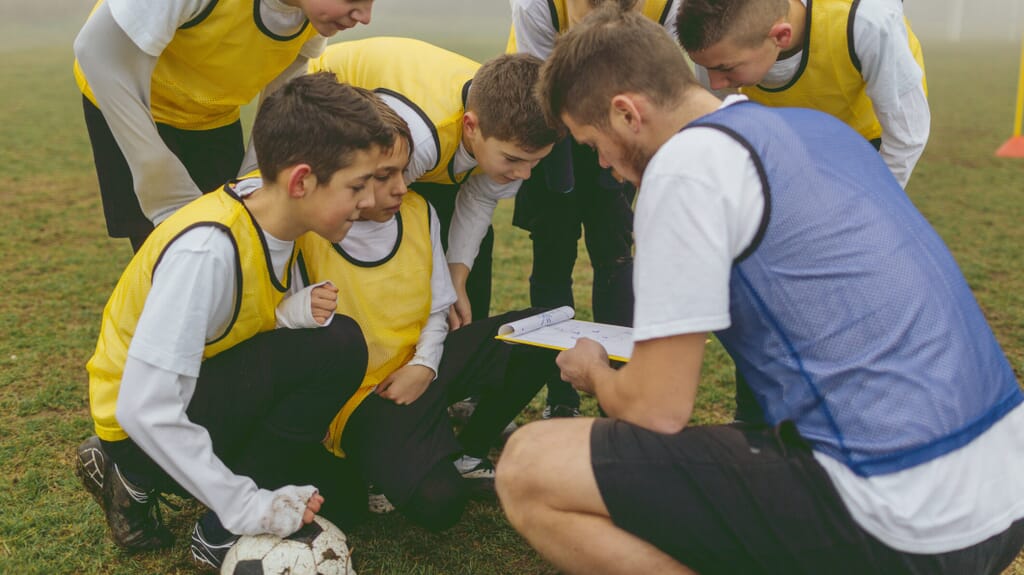
For many years, the romantic excellent of amateurism has formed just how Lots of people realize athletics. The impression is acquainted: committed athletes competing purely for passion, Neighborhood satisfaction, or private excellence, untouched with the affect of money. But this best—celebrated in almost everything from the early Olympic Game titles to elite College athletics—has generally been additional fantasy than actuality. In truth, monetary interests have formed fashionable athletics with the sidelines and, typically, through the really commence.
A Noble Perfect Masking Economic Realities
Amateurism has extensive been portrayed as being the spiritual coronary heart of sport—a standard rooted in enthusiasm, purity, and private excellence as an alternative to economic acquire. Its cultural enchantment is simple. The concept that athletes ought to contend only for really like of the game resonates deeply with audiences, reinforcing a way of authenticity that cash-driven Experienced leagues supposedly absence. Nevertheless this noble perfect, upheld for more than a century, masks a far more intricate and fewer romantic list of financial realities.
Amateurism did not crop up being a moral basic principle but for a social filter. While in the late 19th century, when structured athletics had been gaining prominence in Britain, beginner principles were formed mostly by elite clubs aiming to different by themselves from your Functioning course. These regulations didn’t basically define who could be compensated; they outlined who could afford to Enjoy. Only These with prosperity and leisure—Males who could educate, travel, and contend devoid of monetary force—certified as genuine amateurs. Meanwhile, laborers who acknowledged even modest payment or time without work from businesses had been disqualified from Level of competition. The rhetoric of purity hid an economic barrier built to preserve exclusivity.
As sports activities grew additional popular, the technique turned much more contradictory. Governing bodies fiercely enforced beginner procedures in public although quietly benefiting within the spectacle produced by athletes who have been just about anything but unpaid. State-sponsored rivals, specially during the Cold War, acquired salaries disguised as stipends or nominal Work opportunities. Universities crafted elaborate athletic applications in which “scholar-athletes,” formally amateurs, experienced their housing, coaching, foods, travel, and coaching fees entirely coated—help that functioned being a sort of oblique payment. Experienced-quality anticipations were put on individuals nonetheless labeled as amateurs.
The rise of television and international sponsorships only deepened the paradox. Sports activities governing bodies struck rewarding bargains, broadcasters purchased multimillion-dollar rights, and corporate sponsors poured in funds. Absolutely everyone while in the technique profited—other than the athletes whose performances drove the profits. Amateurism grew to become an ideological defend enabling institutions to capitalize on commercial growth while denying payment into the people today whose labor sustained it.
Nonetheless general public sentiment generally strengthened the myth. Numerous followers truly thought that accepting income compromised integrity, whilst the sports they viewed turned ever more commercialized. This dissonance persisted properly to the late 20th century, extensive immediately after beginner principles had ceased to replicate actuality.
These days, as amateurism crumbles throughout big sports activities—from Olympic athletes openly signing sponsorships to U.S. college or university athletes eventually currently being allowed to monetize their identify and picture—the underlying economics are more challenging to ignore. The noble ideal should evoke nostalgia, nevertheless it ultimately served establishments over athletes. Pulling again the curtain reveals that acknowledging fiscal realities just isn't a corruption of Activity—This is a step towards fairness and transparency.
Expert Tension in Disguise
Despite the fact that amateurism has Traditionally been framed being a purer, much more honorable technique to take part in Activity, the reality for athletes has extensive resembled Skilled life—just without the paycheck. What seems about the surface as voluntary, passion-pushed Competitors normally masks a program crafted on extreme anticipations, institutional requires, and industrial pursuits that location athletes underneath pressures just like Individuals in absolutely Expert environments.
For numerous so-called amateurs, Specially within the university and Olympic stages, the schooling timetable by yourself reveals the illusion. Early-early morning exercises, mandated energy classes, vacation commitments, and stringent functionality monitoring mirror the routines of elite professionals. Coaches and companies assume calendar year-spherical dedication, leaving tiny place for teachers, work, or personal existence. Still Inspite of these Expert-grade needs, the athletes continue to be labeled amateurs, excluded from significant payment underneath the guise of preserving purity. In observe, amateurism becomes a hassle-free framework for extracting labor with no acknowledging its price.
Institutional incentives insert A further layer of disguised professionalism. Universities build multimillion-dollar facilities, employ total-time workers, and recruit aggressively due to the fact successful delivers prestige and income. Governing bodies negotiate rewarding media contracts that depend upon athletes providing large-stakes, large-top quality performances. Even at youth amounts, in which novice values supposedly run strongest, participation increasingly involves non-public coaching, countrywide tournaments, and pathways built to make elite opponents. The technique pressures athletes to execute and excel, not just to Perform for enjoyment.
This tension generally includes much-reaching penalties. The anxiety of shedding scholarships or variety spots pushes athletes to coach by injuries, conceal health issues, and settle for grueling schedules. The emotional and psychological demands—scrutiny, Level of competition for minimal chances, and expectations from coaches and establishments—mirror Individuals faced by remarkably paid out experts, but with no fiscal security or autonomy. Newbie athletes bear the burdens of Specialist lifestyle though currently being denied its protections.
Even the broader culture contributes to this disguised professionalism. Lovers count on peak overall performance. Media protection scrutinizes outcomes. Countrywide satisfaction is staked on results. When an athlete falters, the criticism is swift, although They are really ostensibly unpaid rivals. The general public narrative of amateurism as a light-weight, consequence-no cost pursuit stands in stark contrast into the large-tension actuality athletes working experience.
Eventually, amateurism’s insistence on maintaining a non-Specialist id not demonstrates how these athletes live or compete. By clinging to an out-of-date perfect, establishments obscure the facility imbalances and economic exploitation embedded while in the system. Recognizing the Specialist pressures confronted by “amateurs” is essential—to not undermine custom, but to create a fairer landscape in which anticipations and payment are ultimately aligned.
The Turning Place
The parable of amateurism held company for many years, but inevitably the disconnect in between excellent and truth turned not possible to ignore. As athletes experienced like professionals, generated monumental earnings, and sacrificed their well being and personal life, general public sentiment started to change. The turning point came once the structural contradictions of novice devices collided which has a new era of transparency, information, and athlete advocacy.
Very first, the fiscal disparities grew far too obvious to dismiss. Universities, federations, and Olympic committees amassed prosperity through broadcasting rights, sponsorships, and merchandising, whilst the athletes answerable for the spectacle remained unpaid. Stories discovered billion-greenback industries supported by people who ended up continue to prohibited from benefiting straight from their own overall performance, picture, or labor. The moral and economic imbalance sparked public discussion, pushing amateurism into your Highlight to be a procedure significantly outside of move with fashionable values.
Then arrived the increase of athlete-led activism. Social websites empowered athletes to share their encounters without having institutional filtering. Stories of burnout, extended-phrase injuries, and financial hardship resonated greatly, reframing the narrative all-around fairness and wellbeing. As athletes structured, they started tough the legitimacy of principles that restricted payment when demanding Specialist-degree commitment. Their voices made it apparent that amateurism wasn't a noble tradition—it was an out-of-date framework limiting athlete autonomy.
Legal worries accelerated the change. Courtroom instances and legislative reforms questioned whether newbie limitations violated labor rights or aggressive fairness. Each and every ruling in favor of athlete compensation chipped absent on the old product, signaling that modify was not only ethical but unavoidable. The introduction of identify, impression, and likeness (NIL) rights in U.S. college or university athletics became among the list of clearest turning factors, rewriting many years of coverage almost right click here away.
Cultural perceptions followed. Lovers more and more acknowledged that athletes, even at newbie stages, were undertaking below great strain and deserved recognition and support. The romanticized impression of the pure beginner gave way to a clearer comprehension of the real labor included.
In this setting, the turning stage wasn’t one moment—it had been the cumulative effects of transparency, activism, and legal reform. Jointly, they exposed the myth of amateurism and established the phase for any new period where athletes’ rights and realities eventually took precedence in excess of out-of-date ideals.
Why the Myth Even now Issues
Regardless of its unraveling, The parable of amateurism proceeds to hold cultural and ideological influence. It persists not as it demonstrates reality, but since it appeals to your deeply rooted perception that sports must be pushed by enthusiasm instead of income. This idealized eyesight—athletes competing purely for love of the game—stays emotionally highly effective, shaping how fans, institutions, and also athletes by themselves understand the this means of Competitors.
For several, amateurism symbolizes integrity. It evokes a earth where by sports remain untouched by industrial pressures, in which fairness is preserved by way of equivalent ailments, and where by athletic accomplishment signifies own character rather than monetary incentive. Even as modern day sports activities function inside of billion-dollar ecosystems, the language of novice purity nonetheless shapes policies, marketing and advertising, and community expectations.
The myth also provides establishments with rhetorical leverage. Corporations can invoke newbie beliefs to justify constraints, keep Management, or keep away from income-sharing debates. By framing compensation as a danger to custom, governing bodies have Traditionally delayed reforms although positioning on their own as protectors of sport’s ethical Basis. This strategic utilization of nostalgia assists explain why newbie narratives linger very long immediately after their economic logic has collapsed.
At the same time, athletes themselves in some cases embrace areas of the myth. The idea that Level of competition really should be rooted in passion resonates deeply, especially for those who commenced enjoying not for cash but for id, delight, or community. This psychological link tends to make the changeover from novice beliefs to Qualified realities a lot more complex than a straightforward policy change.
Last but not least, the myth issues because it forces Modern society to confront challenging questions: What really should sports activities stand for? Who warrants the wealth they crank out? And how can we balance custom with justice? Even as amateurism fades, its legacy designs ongoing debates about fairness, access, plus the moral reason of Competitors.
During this sense, The parable nonetheless issues—not as a blueprint for governing present day sports, but being a cultural touchstone that reveals what people worth, panic, and hope for inside the evolving environment of athletics.